Trong lĩnh vực kỹ thuật an toàn giao thông đường bộ, sự kết hợp giữa cột U Post, miếng đệm U Spacer và dầm W Beam tạo thành một giải pháp bảo vệ mô-đun cổ điển và có khả năng thích ứng cao. Với thiết kế kết cấu hoàn thiện, hiệu suất cơ học đáng tin cậy và tính năng lắp đặt thuận tiện, giải pháp này đã trở thành một trong những lựa chọn chủ đạo cho các dự án bảo vệ đường cao tốc tại nhiều khu vực trên toàn thế giới.
Cột U đóng vai trò là cấu trúc chịu lực chính của toàn bộ hệ thống lan can bảo vệ. Mặt cắt ngang hình chữ U của cột mang lại độ cứng uốn và độ ổn định kết cấu tuyệt vời, từ đó cung cấp sự hỗ trợ đồng đều và đáng tin cậy cho dầm W. Khi xe va chạm, cột U Post chịu lực và phân tán lực va chạm một cách hiệu quả, ngăn ngừa hiện tượng uốn cong cục bộ và mất ổn định của cột. Trong khi giảm tải trọng va chạm truyền sang xe và hành khách, cột này vẫn duy trì chức năng dẫn hướng cho các phương tiện mất kiểm soát và đảm bảo tính dự phòng bảo vệ cho toàn bộ kết cấu.
Về mặt lựa chọn vật liệu, cột U thường được sản xuất từ thép mạ kẽm nhúng nóng loại Q235B hoặc Q355B, với độ dày lớp mạ kẽm lên đến 80 micron để đáp ứng các yêu cầu khắt khe về chống ăn mòn. Thiết kế mặt cắt ngang của sản phẩm này cân bằng giữa trọng lượng nhẹ và độ bền kết cấu, phù hợp để lắp đặt trong các điều kiện địa chất khác nhau. Sản phẩm tương thích với các phương pháp lắp đặt như đóng cọc, chôn cọc và gắn bằng mặt bích, giúp triển khai hiệu quả.
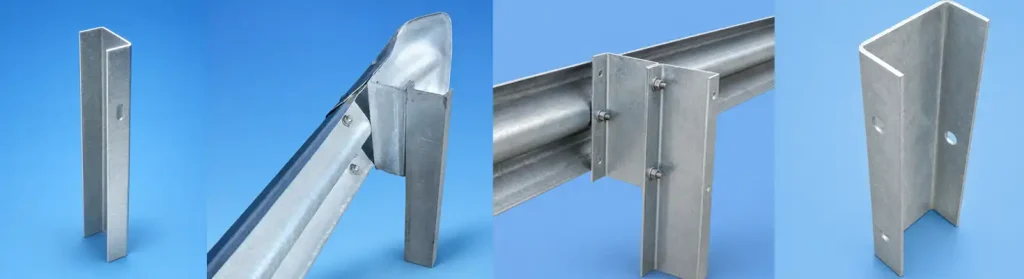
Với vai trò là bộ phận chuyển tiếp quan trọng giữa cột U và dầm W, miếng đệm U đóng vai trò là bộ phận hấp thụ năng lượng chủ chốt của toàn bộ hệ thống. Một mặt, nó điều chỉnh chính xác khoảng cách lắp đặt giữa các cột U và dầm W, đảm bảo sự căn chỉnh nhịp nhàng và phân bố ứng suất đồng đều cho các dầm W đã lắp đặt, đồng thời tránh hiện tượng tập trung ứng suất cục bộ. Mặt khác, khi chịu tải va chạm, miếng đệm U trải qua biến dạng đàn hồi thông qua quá trình tự nén để hấp thụ hiệu quả năng lượng va chạm, từ đó giảm thiểu lực va chạm truyền đến các cột. Điều này giúp hướng dẫn an toàn các phương tiện cơ giới quay trở lại hướng di chuyển bình thường, phối hợp hoàn hảo giữa hiệu quả hấp thụ năng lượng của dầm W với sự hỗ trợ vững chắc của cột U. Đồng thời, nó giúp giảm thiểu sự mài mòn của các bộ phận và tác động của dung sai lắp ráp, từ đó nâng cao đáng kể độ ổn định và độ bền của toàn bộ hệ thống.
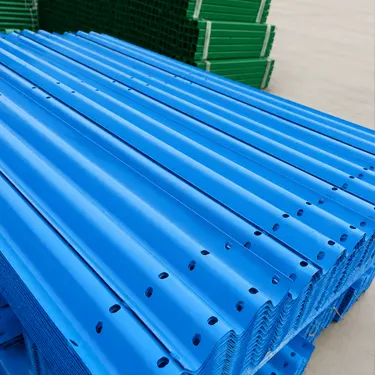
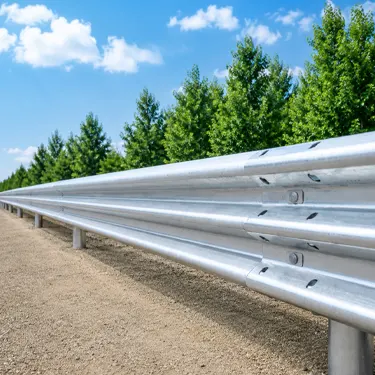
Là bộ phận bảo vệ chịu trực tiếp lực va chạm của phương tiện, dầm W có tiết diện gợn sóng độc đáo. Trong các vụ va chạm, nó hấp thụ hiệu quả năng lượng động học thông qua biến dạng đàn hồi và kéo dài dẻo, đồng thời dẫn hướng các phương tiện mất kiểm soát trở lại làn đường bình thường với độ cong nhẹ nhàng, từ đó giảm thiểu rủi ro thiệt hại do tai nạn. Khi kết hợp với cột U và miếng đệm U, hệ thống này tạo thành một vòng bảo vệ khép kín hoàn chỉnh theo nguyên lý “hấp thụ năng lượng linh hoạt + hỗ trợ cứng cáp”. Hệ thống không chỉ duy trì hiệu suất bảo vệ đã được chứng minh của dầm W mà còn nâng cao cả hiệu quả lắp đặt lẫn độ ổn định kết cấu nhờ thiết kế thích ứng của miếng đệm U.
Dầm W thường được sản xuất từ thép mạ kẽm nhúng nóng loại Q235B hoặc Q355B.Dầm W phải có giới hạn chảy tối thiểu là 345 MPa (50.000 psi), độ bền kéo tối thiểu là 483 MPa (70.000 psi) và độ giãn dài tối thiểu là 12% trên 50 mm (2 in.); có bốn loại và hai hạng lan can được quy định, trong đó Loại I được mạ kẽm với trọng lượng lớp mạ tối thiểu tại một điểm là 550 g/m², Loại II được mạ kẽm với trọng lượng lớp mạ tối thiểu tại một điểm là 1.100 g/m², Loại III là dầm sơn phủ, Loại IV là dầm làm từ thép chống ăn mòn, Loại A có độ dày danh nghĩa của kim loại nền là 2,67 mm (0,105 in.), và Loại B có độ dày danh nghĩa của kim loại nền là 3,43 mm (0,135 in.).
Với thiết kế mô-đun, toàn bộ cụm lắp ráp tạo thành một hệ thống rào chắn va chạm bán cứng hoàn chỉnh. Nhờ tính tương thích cao giữa các bộ phận, hệ thống này cho phép quá trình lắp ráp tại công trường diễn ra suôn sẻ và hiệu quả, đồng thời tạo điều kiện thuận lợi cho việc kiểm tra và thay thế ở các giai đoạn sau. Hệ thống này tương thích với nhiều cấp độ bảo vệ khác nhau, đáp ứng các tiêu chuẩn bảo vệ cho các tình huống giao thông đa dạng.
Được ứng dụng rộng rãi trên các tuyến đường cao tốc, đường cao tốc liên tỉnh và các tuyến đường trục chính đô thị tại Ả Rập Xê Út, Các Tiểu vương quốc Ả Rập Thống nhất, Qatar, Oman, Kuwait, Iraq và các quốc gia khác. Với khả năng chịu tải trọng gió và chống ăn mòn vượt trội, sản phẩm này thích ứng tốt với điều kiện khí hậu đặc thù của Trung Đông như nhiệt độ cao, sương muối dày đặc và bão cát dữ dội, đồng thời tuân thủ các tiêu chuẩn thiết kế địa phương về công trình bảo vệ đường cao tốc.